English| EUR
Suggested for you
More currencies
Choose a language
Acquiring a double-decker bus in Toronto involves navigating commercial vehicle markets, import regulations, and dealer networks. This guide walks through sourcing channels, legal requirements, and the practical steps for purchasing a double-decker for tour operations or private use.
Quick answer
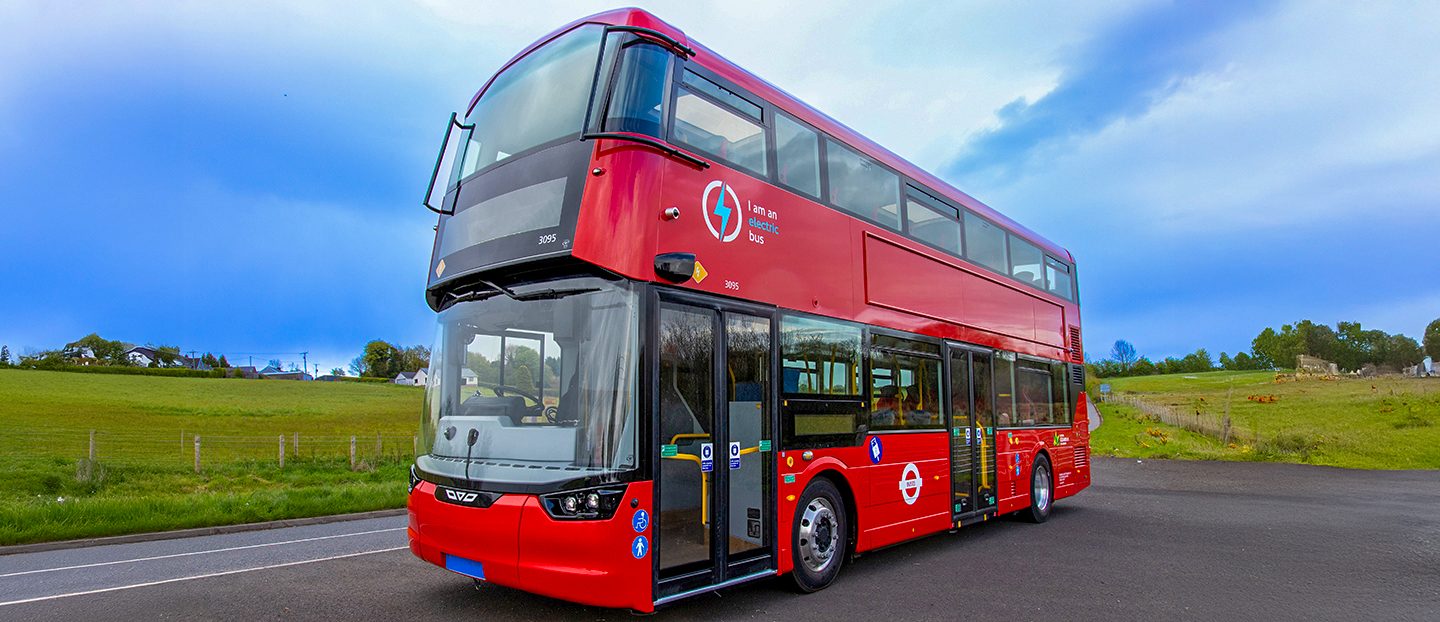
Private buyers looking at how to buy a double decker bus in Toronto typically source vehicles through specialized commercial dealerships, auction houses, or international importers. Most double-deckers available in Canada are retired transit vehicles or purpose-built tour buses. Buyers must verify compliance with Transport Canada standards, arrange commercial vehicle insurance, and secure appropriate licensing before operating the vehicle on Ontario roads.
Double-decker buses are not sold through consumer showrooms. The Canadian market for these vehicles centers on commercial fleet liquidation, specialized dealerships that handle transit equipment, and import brokers who bring vehicles from the United Kingdom or continental Europe. Buyers enter a niche procurement channel where provenance, mechanical history, and regulatory compliance dictate value more than cosmetic condition. Sourcing begins with identifying vehicle type. Purpose-built tour buses with climate control and audio systems command higher prices than retired municipal transit coaches. Auction platforms occasionally list decommissioned fleet vehicles from transit agencies across North America, while UK importers offer right-hand-drive models that require modification or exemption paperwork. Toronto buyers should expect lead times of several weeks to several months, depending on whether the vehicle is already in Canada or requires customs clearance and federal inspection. Transport Canada's Motor Vehicle Safety Act governs commercial vehicle imports. Any bus entering the country must meet federal safety standards or qualify for exemption if classified as a vintage or specialty vehicle. Buyers must provide documentation proving the vehicle's manufacturing date, original market, and compliance status. Ontario's Ministry of Transportation requires a Commercial Vehicle Operator's Registration for anyone operating a bus with a seating capacity above a certain threshold, and insurance underwriters treat double-deckers as high-value commercial assets with correspondingly detailed coverage requirements. Financing a double-decker purchase typically involves commercial vehicle loans rather than consumer auto financing. Lenders assess the buyer's intended use, operating plan, and maintenance capacity. Most sellers require a deposit before initiating paperwork, and final payment is due before the vehicle is released. Buyers should budget for immediate post-purchase expenses including safety certification, signage removal or rebranding, and any mechanical work flagged during pre-purchase inspection.
“The Canadian market for these vehicles centers on commercial fleet liquidation, specialized dealerships that handle transit equipment, and import brokers who bring vehicles from the United Kingdom or continental Europe.”
Acquiring a double-decker bus in Toronto involves navigating specialized commercial vehicle dealers, ensuring regulatory compliance with Ontario's Ministry of Transportation standards, and completing vehicle registration. The process typically spans 4-8 weeks from initial contact to final transfer of ownership.
Reach out to dealers that handle used transit buses from municipal fleets or import operators in the UK and Europe. Many buyers skip verifying the dealer's commercial vehicle license, which can delay transactions.
Obtain a certified inspection from a licensed heavy vehicle mechanic covering structural integrity, engine hours, and brake systems. Buyers often overlook frame rust common in decommissioned UK vehicles exposed to road salt.
Confirm the bus meets Ontario's Commercial Motor Vehicle standards and obtain a Safety Standards Certificate from a licensed inspection station. The most common error is assuming passenger vehicle rules apply to buses over 11,000 kg GVWR.
Arrange coverage through a broker specializing in buses before finalizing purchase, as standard auto policies exclude vehicles with more than 10 passenger seats. Proof of insurance is required before MTO will issue plates.
Submit the bill of sale, safety certificate, insurance documents, and applicable fees to a ServiceOntario location authorized for commercial vehicles. First-time buyers frequently underestimate transfer tax based on declared vehicle value.
Offices for commercial vehicle transactions operate independently and are not public attractions. Consequently, these offices are closed to the general public.
Purchasing a double-decker bus in Ontario requires specific documentation and regulatory compliance before finalizing the transaction.
Successful acquisition of a double-decker bus in Toronto requires thorough due diligence on mechanical history and specialized parts sourcing.
Request the full fleet maintenance history to confirm that critical chassis components and braking systems adhere to Ontario Ministry of Transportation commercial standards. Avoid units lacking digitized repair records as tracking specialized parts for older models becomes significantly difficult without a documented service trail.
Identify local heavy-duty commercial suppliers who specialize in transit-specific drivetrain components to avoid the high costs of international shipping for proprietary bus parts. Establishing a relationship with a Toronto-based commercial vehicle dismantler can provide a reliable secondary source for salvaged, non-critical aesthetic components.
Prioritize an on-site inspection of the lower deck chassis frame for signs of heavy corrosion common in vehicles exposed to Ontario road salt. Use a professional commercial mechanic experienced with high-floor vehicles to perform a borescope inspection of structural steel members before finalizing any purchase agreement.
Engage brokers who exclusively handle transit fleet turnover rather than general heavy-truck dealers to ensure you gain access to buses with known service histories. These brokers often hold listings for off-lease units that have undergone recent certified inspections required for heavy commercial vehicle registration.
Confirm that your intended storage facility accommodates the specific vertical clearance requirements of your chosen bus model, as double-deckers often exceed standard commercial garage door heights. Measuring the unladen height of the unit is critical to avoid infrastructure damage during initial transport and long-term parking.
Everything you need to know about how to buy a double decker bus
To acquire a large transit vehicle, you must engage with commercial heavy-duty vehicle dealerships or specialized auction houses. Private commercial transactions require contacting sellers directly as there is no central public marketplace for these assets.
Most buyers search through commercial vehicle classifieds, industrial heavy equipment brokers, or retired transit fleet auctions. Evaluating the mechanical condition of the chassis and powertrain is essential before finalizing any acquisition.
No, double-decker buses are not sold at a public attraction, and there is no site to visit for this purpose. You should focus your efforts on professional automotive dealer networks and logistics equipment suppliers.
Acquiring such a vehicle involves significant responsibilities, including specialized storage, insurance coverage, and compliance with provincial safety standards. Ensure you have the infrastructure to manage the height and weight requirements of a double-decker unit.
The entry fee is 0 CAD because these vehicles are not sold at a public attraction. All procurement processes are handled through private commercial channels rather than visitor-facing facilities.
The best arrival window for contacting dealerships regarding commercial transactions is 09:00–17:00. Please note that these establishments are not public attractions and typically operate on standard business schedules, unlike tourism venues.